
I Underestimated DeepSeek V4: Here is My Honest Review
My first DeepSeek experience was bad, but DeepSeek V4 Flash via OpenCode changed that. Here is why it might be the best cheap AI model for coding right now.
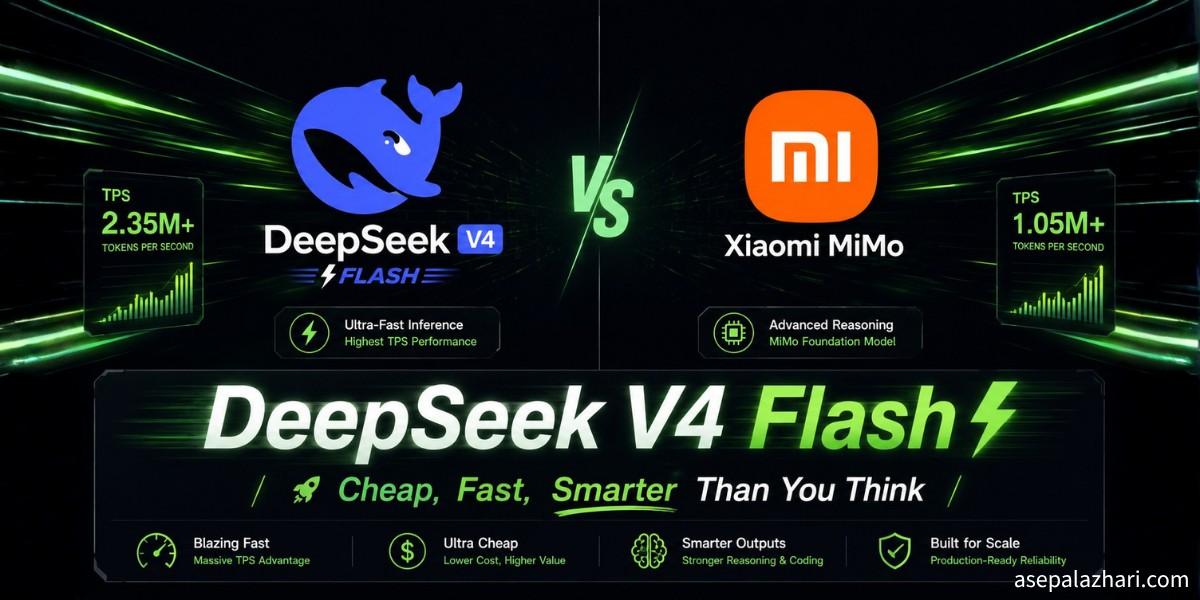
I used to scroll past DeepSeek every time I saw it in a model list.
My first experience with the DeepSeek family was through DeepSeek R2. The responses felt off. Not wrong exactly, just not the kind of sharp, confident output I was getting from Claude Sonnet 4.6 or GPT-5.4. So I mentally filed DeepSeek under “not for me” and moved on.
That changed a few weeks ago when OpenCode announced that DeepSeek V4 Flash and Pro were available for free for a limited time. I figured, why not. A free trial with no commitment is the only way to break out of a bias.
What happened next surprised me.
OpenCode Made the Introduction
I was already using OpenCode as my daily coding assistant. When the free DeepSeek V4 Flash option appeared in the model selector, I switched to it on a whim for a refactoring task I was working on.
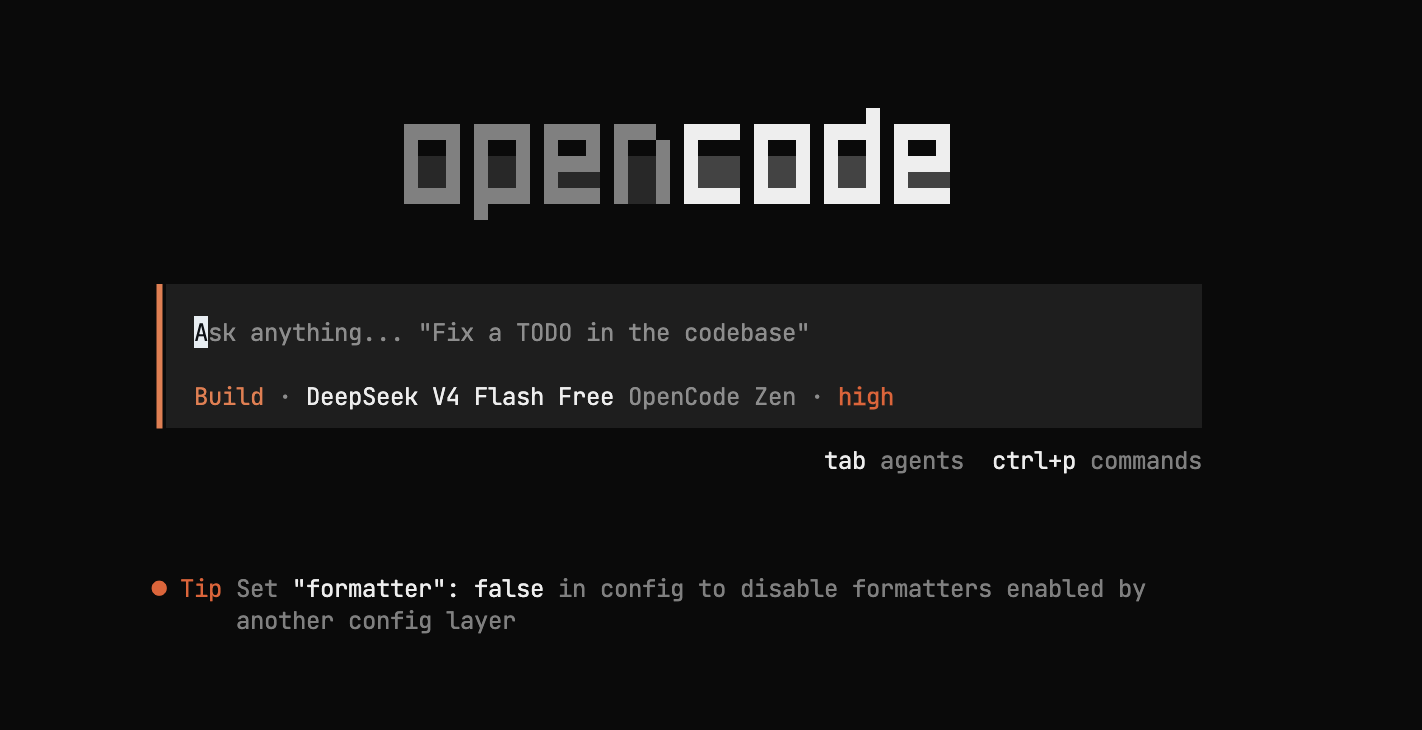
The first thing I noticed was the speed. The tokens were streaming in noticeably faster than what I was used to. Not just marginally faster. The kind of fast where you start reading the response before the previous line finishes rendering.
Also Read: OpenCode Multi-Model CLI: Switch AI Without Limits
Intelligence That Did Not Drop With the Price
I kept waiting for the quality drop that usually comes with “free” and “cheap.” It did not come.
The responses were coherent. The code suggestions were accurate. When I threw a TypeScript refactoring problem at it, DeepSeek V4 Flash handled it as cleanly as Claude Sonnet 4.6 would have. That is not a small statement coming from me. I use Claude daily. I know what a good coding response looks like.
For pure text and code tasks, DeepSeek V4 lands in the same league as GPT-5.4 and Claude Sonnet 4.6 in my experience. Not every model can claim that.
DeepSeek V4 vs Xiaomi MiMo v2.5: The Real Comparison
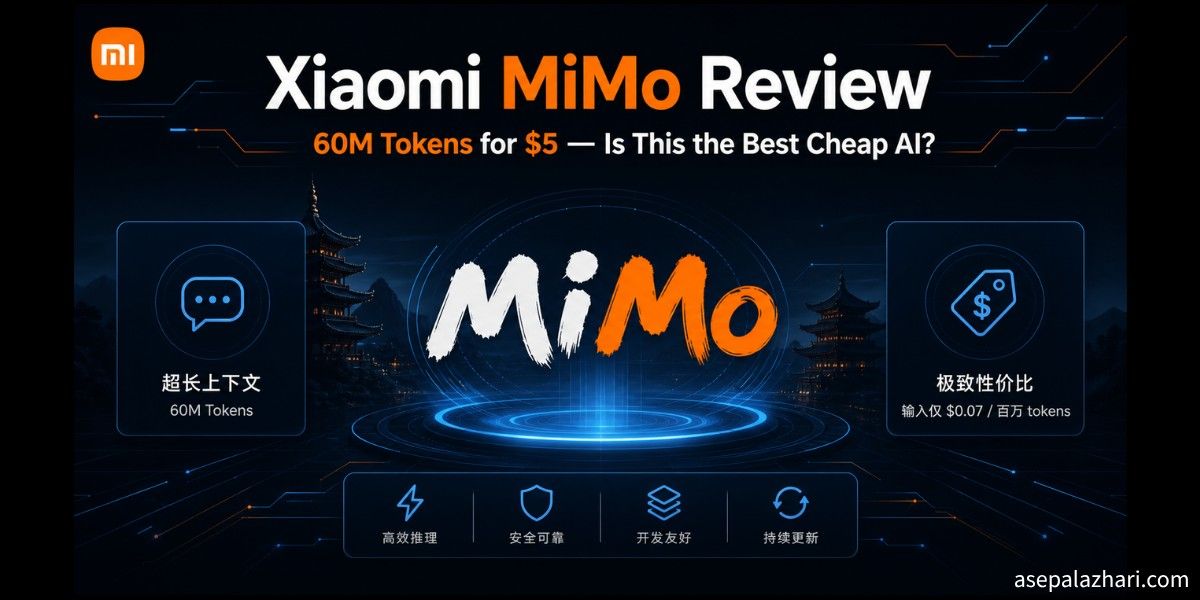
For the past few months, Xiaomi MiMo v2.5 Flash has been my go-to budget model. It is fast, multimodal, and handles coding well. Switching to DeepSeek V4 for a few days made for a clean side-by-side comparison.
For coding tasks, the two models are very close. The quality gap, if it exists at all, is not something you would notice in everyday work. Both produce clean, well-structured code. Both are fast on TPS.
The one area I have not compared yet is agentic AI. I have not tested DeepSeek V4 in frameworks like Hermes or OpenClaw yet, so I cannot say how it holds up in longer autonomous workflows. MiMo v2.5 I have not tested there either, so this comparison stays a draw for now.
Also Read: Xiaomi MiMo Review: 60M Tokens for $6, Faster Than GPT-5.4
The Cost Difference Is Not Small
This is where DeepSeek V4 becomes genuinely interesting for anyone running AI-heavy workflows.
| Model | Input Cost (per 1M tokens) |
|---|---|
| Xiaomi MiMo v2.5 Flash | $0.40 |
| DeepSeek V4 Flash | $0.14 |
That is a 65 percent cost reduction for a model that delivers comparable output on coding tasks. If you are processing large volumes of code through an API, that difference adds up fast. At $0.14 per million input tokens, DeepSeek V4 Flash is one of the most competitive options available right now.
The One Real Con: No Multimodal Support
This is where MiMo v2.5 keeps its edge. If your workflow involves sending screenshots, diagrams, or UI mockups to the model, DeepSeek V4 cannot help you. It is text and code only.
I do occasionally drop a screenshot into a conversation to ask about a UI bug or a terminal error. Those moments require MiMo or another multimodal model. DeepSeek V4 is simply not in that game yet.
If your workflow is multimodal-heavy, MiMo v2.5 remains the better choice. But for pure coding or text processing, DeepSeek V4 Flash at $0.14 per million tokens is hard to argue with.
My Verdict
I was wrong about DeepSeek. DeepSeek R2 left a bad impression, but V4 Flash is a different story entirely. It is fast, it is smart enough to compete with the big names, and it costs less than half of what MiMo v2.5 Flash charges per million input tokens.
I now keep both in my toolkit. MiMo v2.5 when I need multimodal. DeepSeek V4 Flash for everything else.
Also Read: Why I Chose Codex CLI as Claude Code Alternative: 2025 Review
Do not let one bad experience close the door on a model family. The V4 generation is worth a second look.